Exhaust Fumes and Ducting Solutions
Vehicle exhaust in warehouses and manufacturing facilities can pose serious health risks if left unmanaged. Efficient fume and exhaust ducting captures carbon monoxide and harmful emissions at the source, keeping air clean, workers safe, and operations running smoothly.
This blog explores the technology, applications, maintenance tips, and benefits of modern modular exhaust ducting systems.
What is Exhaust Ducting?
Exhaust ducting is a specialized system designed to capture carbon monoxide and other hazardous fumes emitted by internal combustion engines in indoor environments. Unlike general ventilation, these systems focus on removing contaminants directly at the tailpipe, preventing the spread of harmful gases throughout the facility.
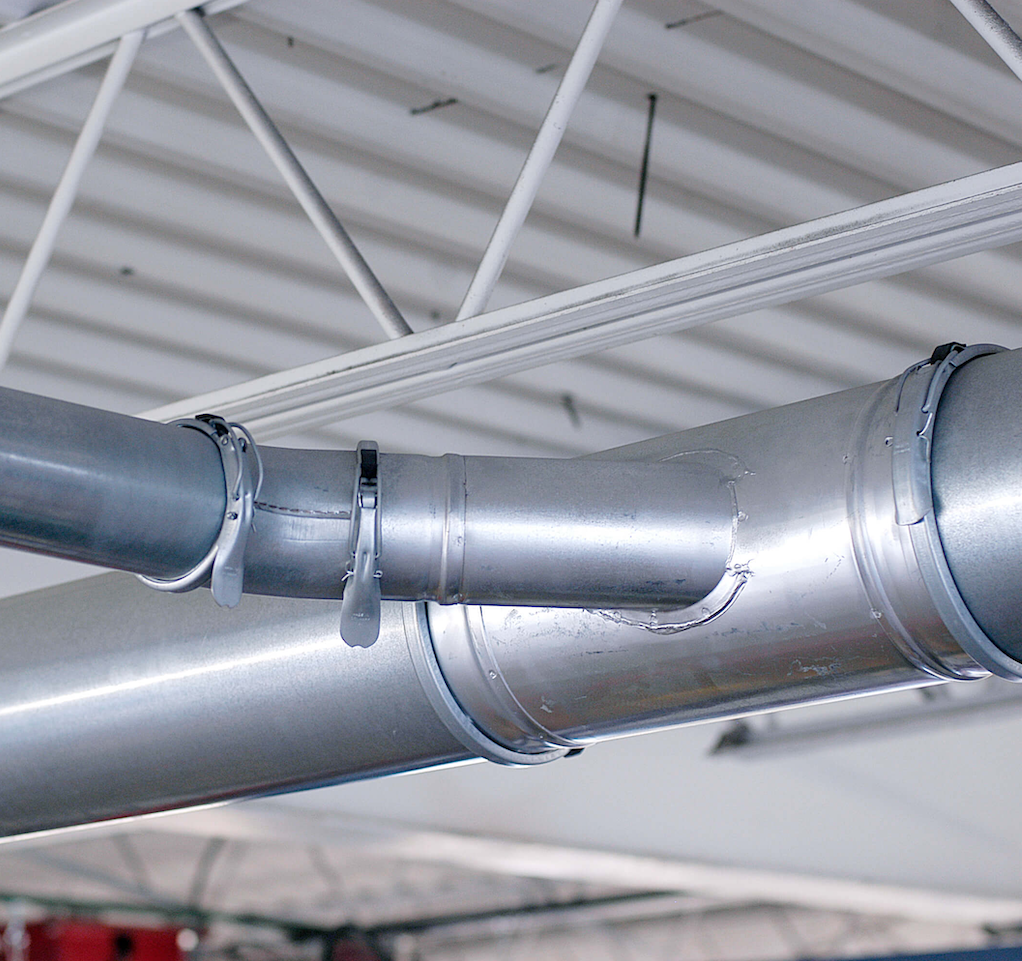
Modern ducting solutions use modular, clamp-together systems to ensure airtight connections, reduce installation time, and minimize the risk of leaks.
The sources vary by facility: cars and trucks, diesel-powered heavy equipment, and gasoline vapors all add to indoor air, and the exhaust carries fine particulates along with the gases.
Common Applications
Warehouses
Forklifts and other vehicles generate carbon monoxide in enclosed spaces.
Manufacturing Plants
Internal combustion vehicles move raw materials or finished products.
Vehicle Maintenance Facilities
Repair bays need exhaust fumes removed to protect mechanics.
Cold Storage / Distribution Centers
Indoor vehicle traffic is frequent and requires consistent air quality control.
How Exhaust Ducting Works
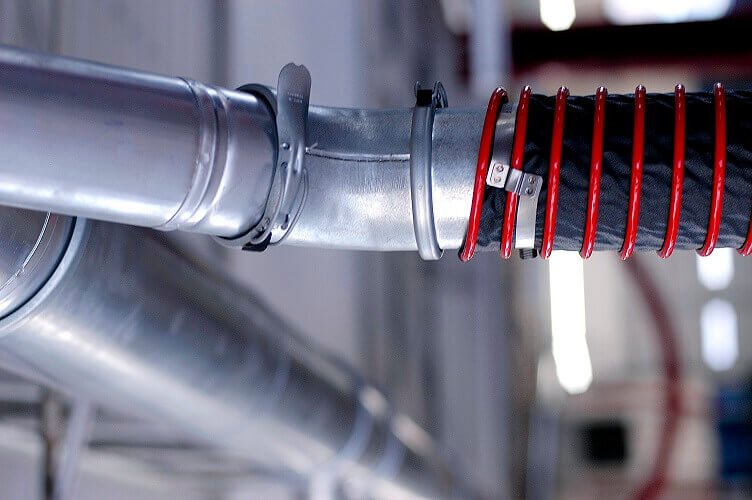
Most vehicle exhaust ducting systems combine flexible hoses with rigid ductwork that connects directly to the vehicle tailpipe. Key features include:
Modular Design
Clamp-together sections allow fast assembly without welding or rivets.
Airtight Seals
Rolled-edge clamps prevent leaks and maintain consistent airflow.
Capture at the Source
Exhaust fumes are removed before they disperse, protecting workers and preventing downtime.
Flexible Hose Options
Hoses for exhaust ductwork can adapt to vehicle height, travel path, and different tailpipe diameters.
By using modular components, these systems can be easily reconfigured if your facility layout changes or additional vehicle coverage is needed.
On Quick-Fit® duct, each end has a double-rolled lip that stiffens the pipe and keeps long runs straight. A clamp fits over the lips and snaps shut, and the same sections can be unclamped later to clean, move or reuse them, with no special tools.
Materials and Design Options
Exhaust ducting comes in several construction materials depending on your facility’s needs:
| Galvanized Steel duct | Durable, cost-effective, and suitable for most general warehouse environments. |
|---|---|
| Stainless Steel duct | Resistant to corrosion, ideal for areas with moisture or high chemical exposure. |
| Aluminum duct | Lightweight and easy to install, suitable for mobile systems or temporary setups. |
Custom hoods and exhaust pickup points can be designed to target specific work areas, maximizing airflow efficiency while reducing system size and cost.
Maintenance and Operational Efficiency
Maintaining a vehicle exhaust ducting system ensures long-term performance and reduces downtime:
- Inspect clamps and hose connections monthly for leaks or damage.
- Clean hoses and ductwork quarterly to prevent buildup of residue or debris.
- Check airflow rates regularly to ensure the system is capturing fumes effectively.
- Replace worn hoses promptly to avoid inefficiency or safety hazards.
Efficient ducting not only keeps air clean but also prevents mold, insect harbors, and other environmental concerns that can arise in warehouses and manufacturing areas.
Planning exhaust removal?
For a tailored solution, DuctingSystems.com provides CAD layouts, parts lists, and budgetary quotes to simplify your next exhaust ductwork project. Call 888-659-2648 for expert guidance.
FAQs: Exhaust Ducting Systems
Can I install an exhaust ducting system myself?
Modular systems like Nordfab® Quick-Fit® Ducting can be installed by skilled maintenance teams. Complex setups with multiple vehicles or long runs may require professional design.
How do I know the system is sized correctly for my facility?
The system should be designed to match the number of vehicles, tailpipe types, and facility layout. Airflow calculations and proper hose placement are critical for effective capture.
How hot does vehicle exhaust get, and can the ducting handle it?
Exhaust can reach 600°F or more at the tailpipe while an engine idles or runs, so the hose and fittings closest to the vehicle must be rated for that heat. When we lay out your system, we specify hose and duct for the vehicles and engines you run.
Does OSHA require exhaust ducting?
OSHA sets an exposure limit rather than naming a specific system. Workers can’t be exposed to more than 50 parts per million of carbon monoxide averaged over an 8-hour shift, and OSHA’s guidance for employers includes installing effective ventilation to clear CO from work areas. Capturing exhaust at the tailpipe is a direct way to keep indoor levels under that limit.